Nourish Your Body, Empower Your Life
A balanced diet is the cornerstone of women's health at every life stage. Discover how proper nutrition supports hormonal balance, energy levels, bone strength, and overall wellbeing through science-backed insights from Fitnessflourish.
The information on this site is for educational purposes only and does not constitute medical advice. Always consult a qualified healthcare professional before making health decisions.
Women's Wellness by the Numbers
of women lack adequate iron intake
Affecting energy, cognitive function, and athletic performance
mg daily calcium needs
Essential for bone density and long-term skeletal health
minimum daily fiber intake
Supports digestive health, hormone metabolism, and satiety
of diet quality affects mood
Balanced nutrition directly influences mental clarity and emotional resilience
The Foundation of Women's Health
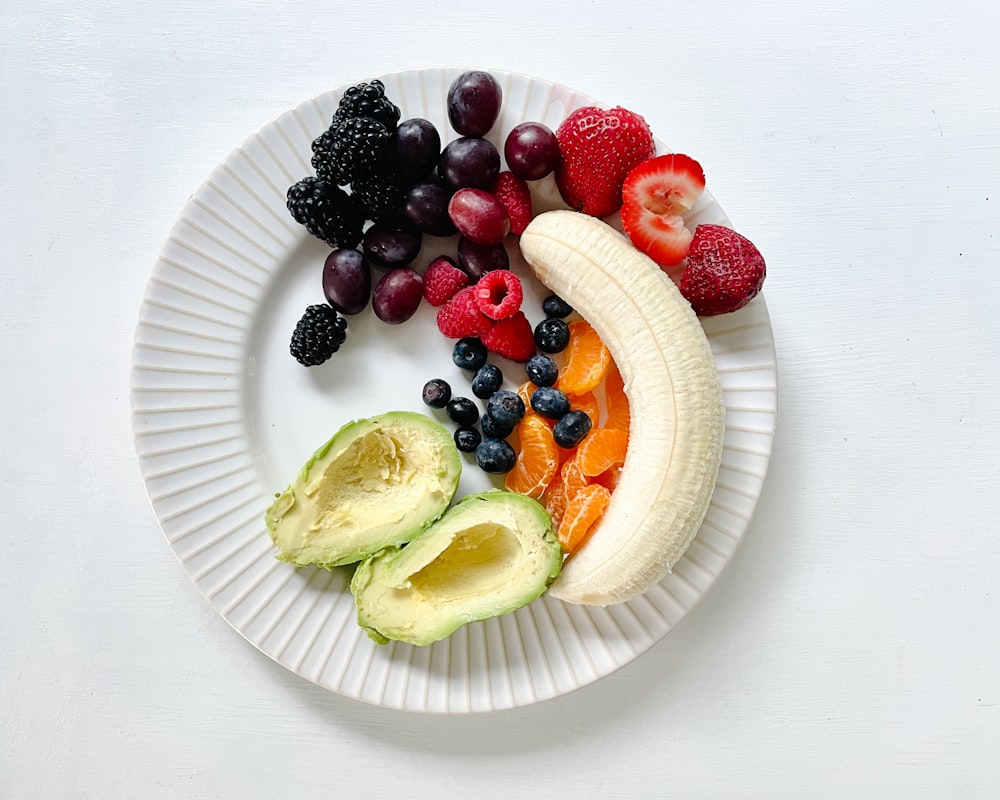
Women's nutritional needs are unique and evolve throughout different life stages. From adolescence through menopause and beyond, a balanced diet provides the building blocks for hormonal stability, immune function, and metabolic health. Proper nutrition isn't just about managing weight—it's about creating an internal environment where your body can thrive.
At Fitnessflourish, we believe that understanding the "why" behind nutritional choices empowers women to make decisions that align with their personal health goals. Whether you're managing energy levels, supporting bone health, or balancing hormones, balanced nutrition is your most powerful tool.
- Supports hormonal balance naturally
- Strengthens bones and connective tissue
- Enhances energy and mental clarity
- Promotes long-term cardiovascular resilience
Key Nutritional Pillars
Hydration & Micronutrients
Water regulates body temperature, nutrient transport, and hormonal function. Paired with essential minerals like magnesium, potassium, and zinc, proper hydration ensures every cellular process works optimally. Women often underestimate how much daily fluid intake supports skin health, digestion, and energy production.
Plant-Based Proteins & Fiber
Legumes, seeds, nuts, and whole grains provide sustained energy while supporting healthy gut bacteria. Fiber isn't just for digestive health—it regulates blood sugar, supports hormonal detoxification pathways, and promotes feelings of fullness. This combination creates a stable foundation for daily vitality.
Healthy Fats & Omega-3s
Omega-3 fatty acids and monounsaturated fats reduce inflammation, support brain function, and aid hormone production. These aren't luxuries—they're essential nutrients that every cell in your body relies on. Quality sources include fatty fish, avocados, olive oil, and flaxseeds.
Antioxidant-Rich Vegetables
Colorful vegetables deliver vitamins, minerals, and phytonutrients that combat oxidative stress. These protective compounds support immune function, skin health, and hormonal balance. Eating the rainbow—reds, purples, oranges, and greens—ensures you're getting a spectrum of beneficial compounds.
Iron & B-Complex Vitamins
Women require adequate iron for energy production and oxygen transport, especially during reproductive years. B-vitamins support metabolism, energy creation, and mood regulation. Prioritizing iron-rich plant sources and B-vitamin foods prevents fatigue and maintains cognitive sharpness.
Calcium & Vitamin D Synergy
Calcium and vitamin D work together to maintain bone density and prevent age-related bone loss. This pairing also supports muscle function, nervous system health, and immune resilience. Consistent intake throughout life—not just after menopause—builds a strong skeletal foundation.
Your 5-Step Balanced Diet Journey
Assess Your Current Eating Patterns
Begin by tracking what you eat for 3-5 days without judgment. Notice patterns: Are you eating enough vegetables? Do you consume consistent protein throughout the day? Are you staying hydrated? This awareness is the foundation for meaningful change. Pay special attention to how different foods make you feel—energy levels, mood, digestion, and sleep quality are all valuable data points.
Build a Foundation with Whole Foods
Start filling your plate with nutrient-dense whole foods: vegetables, fruits, legumes, whole grains, nuts, seeds, and quality proteins. Aim for 50% of your plate to be vegetables, 25% whole grains or starchy vegetables, and 25% protein. This visual guideline makes balanced eating intuitive and doesn't require complicated calorie counting. Prioritize foods with one ingredient (an apple, a lentil, a carrot) over processed alternatives.
Optimize for Your Life Stage & Goals
Your nutritional needs shift throughout your life. Teenagers and young adults benefit from bone-building nutrients. Women in their 30s-40s should prioritize hormonal balance and sustained energy. As menopause approaches, calcium, vitamin D, and phytoestrogen-rich foods become especially important. Tailor your diet to where you are in your health journey, and don't hesitate to adjust as your priorities change.
Develop Sustainable Eating Habits
Sustainable nutrition isn't about restriction—it's about building habits that feel natural and enjoyable. Start small: add one extra serving of vegetables to your lunch, swap sugary drinks for herbal tea, or prep meals once a week. These incremental changes stick because they don't feel overwhelming. Focus on additions (what you're adding to your diet) rather than subtraction (what you're removing). Celebrate progress, not perfection.
Monitor Progress & Adjust Continuously
Every 4-6 weeks, reflect on how you feel. Have your energy levels improved? Is your digestion better? Do you sleep more soundly? Are you managing stress more effectively? Use these qualitative measures—not just the scale—to assess your progress. Your body will communicate what's working. Be willing to experiment and adjust: if a food doesn't serve you well, replace it with something that does.
Real Stories from Real Women
"Following Fitnessflourish's balanced diet approach transformed my energy levels. I used to crash by 3 PM every day, but now I maintain steady energy throughout the day. The emphasis on whole foods and proper nutrient balance made such a difference in how I feel and think."
Maria
Helsinki, Finland
"The nutritional guidance helped me understand how to support my body during hormonal shifts. I finally feel like I'm eating in alignment with my health needs rather than just following random diets. My digestion, mood, and sleep have all improved significantly."
Laura
Turku, Finland
"I appreciated how Fitnessflourish presents nutrition as science-backed, not restrictive. The articles helped me build sustainable habits instead of chasing quick fixes. I've recommended the resource to several friends because it actually makes sense."
Annika
Tampere, Finland
Common Questions About Women's Nutrition
How much protein do women really need daily?
Most adult women benefit from 1.2-1.6 grams of protein per kilogram of body weight daily. For a 65 kg woman, that's roughly 78-104 grams daily. This increases slightly if you're training, managing muscle loss with age, or focusing on bone health. Protein doesn't have to come from meat—legumes, Greek yogurt, eggs, nuts, and seeds are all excellent sources.
Can diet really affect hormonal balance?
Absolutely. Nutrients like B-vitamins, magnesium, zinc, and omega-3 fatty acids directly support hormone synthesis and metabolism. Adequate fiber aids estrogen elimination through the digestive system. Blood sugar stability, stress management through nutrition, and adequate calorie intake all influence hormonal health. It's not a quick fix, but dietary choices profoundly impact your endocrine system.
Is there a best diet for women's bone health?
The best diet for bone health emphasizes calcium, vitamin D, magnesium, and vitamin K. These nutrients work synergistically to maintain bone mineral density. Adequate protein supports bone structure. Whole foods—leafy greens, dairy or fortified plant-based alternatives, fish, nuts, seeds—provide these nutrients naturally. Consistency matters more than perfection; lifetime eating patterns shape skeletal health.
How does hydration impact women's health specifically?
Women's hydration needs are often underestimated. Water supports menstrual cycle regulation, pregnancy health, and hormonal balance. Dehydration can worsen PMS symptoms, fatigue, and headaches. General guidance is 2.7 liters daily for women, though individual needs vary based on activity level and climate. Proper hydration also enhances skin health, mental clarity, and metabolic function.
What nutrients are most critical during menopause transition?
Calcium, vitamin D, magnesium, and B-vitamins become especially important. Phytoestrogen-rich foods like soy, flaxseeds, and legumes may provide natural support. Adequate iron becomes critical again after menstruation ends due to loss prevention. Omega-3 fatty acids support mood and cardiovascular health during this transition. A nutrient-dense whole foods diet helps minimize menopausal discomfort naturally.
How can I build sustainable eating habits without constant willpower?
Sustainability comes from making nutrition autopilot, not a daily battle. Build habits by: starting small (one change at a time), making healthy foods convenient (prep vegetables on Sunday), eating foods you genuinely enjoy, understanding your "why" (how better nutrition serves your life), and focusing on additions rather than restrictions. When healthy eating feels natural and rewarding—not punitive—it becomes your default without constant willpower.
Start Your Health Transformation Today
Your body is designed to thrive. A balanced diet aligned with your unique needs is the most powerful tool you have for long-term health. Explore our articles, discover practical nutrition strategies, and join a community of women prioritizing their wellbeing.
Questions about our content? Contact our editorial team